

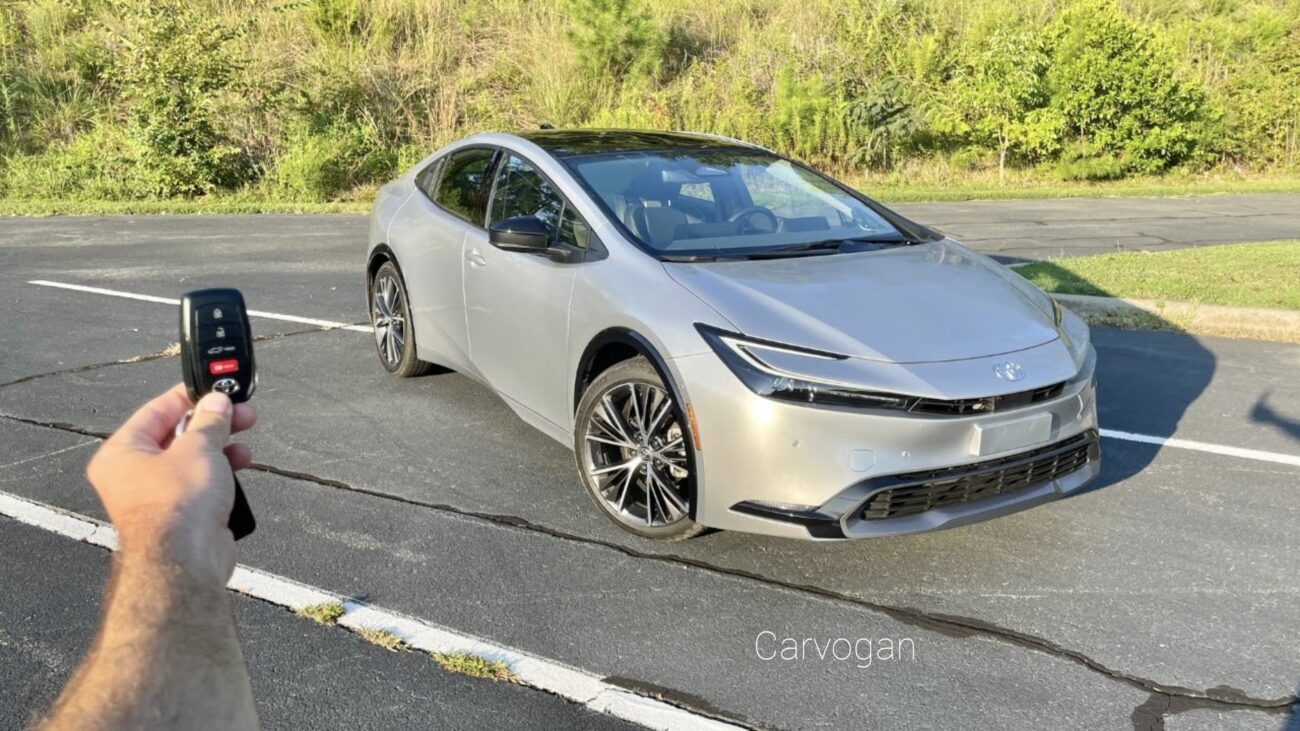
The Toyota Prius has long been the gold standard for hybrid vehicles, setting benchmarks for fuel efficiency, innovation, and environmental responsibility. For over two decades, Prius has maintained its reputation as a reliable, eco-friendly, and affordable option for individuals and families alike. The 2023 Toyota Prius builds on this legacy with a fresh design, advanced technology, and improvements that make it more compelling than ever. In this comprehensive guide, we’ll explore every aspect of the 2023 Prius — from powertrain and design to ownership costs and competitor comparisons — to help you decide if this iconic hybrid is the right fit for your needs.
1. Introduction to the 2023 Toyota Prius
Since its introduction in 1997, the Toyota Prius has led the way in hybrid vehicle technology. The Prius name has become synonymous with fuel efficiency, and Toyota’s ongoing commitment to sustainability and innovation is evident in every new model. The 2023 Toyota Prius continues this legacy, offering a blend of tried-and-true hybrid engineering with modern amenities and updated styling. Whether you’re a first-time hybrid buyer or a longtime Prius fan, the 2023 model offers something for everyone.
2. New Features and Updates for 2023
The 2023 Prius sees several notable updates that distinguish it from past models. Toyota has enhanced the vehicle’s design, upgraded the hybrid system, and introduced new technology features to meet the demands of today’s drivers. Key updates include:
Redesigned front and rear fascias for a sleeker, more aerodynamic lookI
mproved hybrid battery for better performance and efficiency.
Upgraded infotainment system with a larger touchscreen and enhanced connectivity.
Expanded suite of standard safety features, including Toyota Safety Sense 2.0.
Enhanced available options such as all-wheel drive and advanced driver-assist features.
3. Hybrid Powertrain and Performance
The heart of the Prius is its hybrid powertrain, which combines a 1.8-liter four-cylinder gasoline engine with an electric motor. This synergy drive system delivers a combined output of 121 horsepower. The 2023 Prius uses an electronically controlled continuously variable transmission (eCVT), providing smooth and seamless acceleration.
For those in regions with inclement weather, the available electronic all-wheel drive (AWD-e) provides added confidence and stability, making the Prius a practical choice year-round. Acceleration is adequate for daily driving, with a 0-60 mph time of around 9.8 seconds. While not a performance car, the Prius excels in delivering a quiet, composed ride with minimal road noise and excellent handling in urban environments.
4. Fuel Economy and Environmental Impact
Fuel efficiency is the Prius’s calling card. The 2023 model achieves an impressive EPA-estimated 58 mpg city and 53 mpg highway in its most efficient configuration. Even AWD-e models maintain strong numbers, with around 51 mpg city and 47 mpg highway. Over the course of ownership, these savings can add up to thousands of dollars compared to conventional gasoline vehicles.
Environmental impact is another key reason buyers choose the Prius. The hybrid system reduces emissions, and the car’s lightweight design, regenerative braking, and low rolling resistance tires all contribute to making it one of the cleanest vehicles in its segment.
5. Exterior Design and Styling
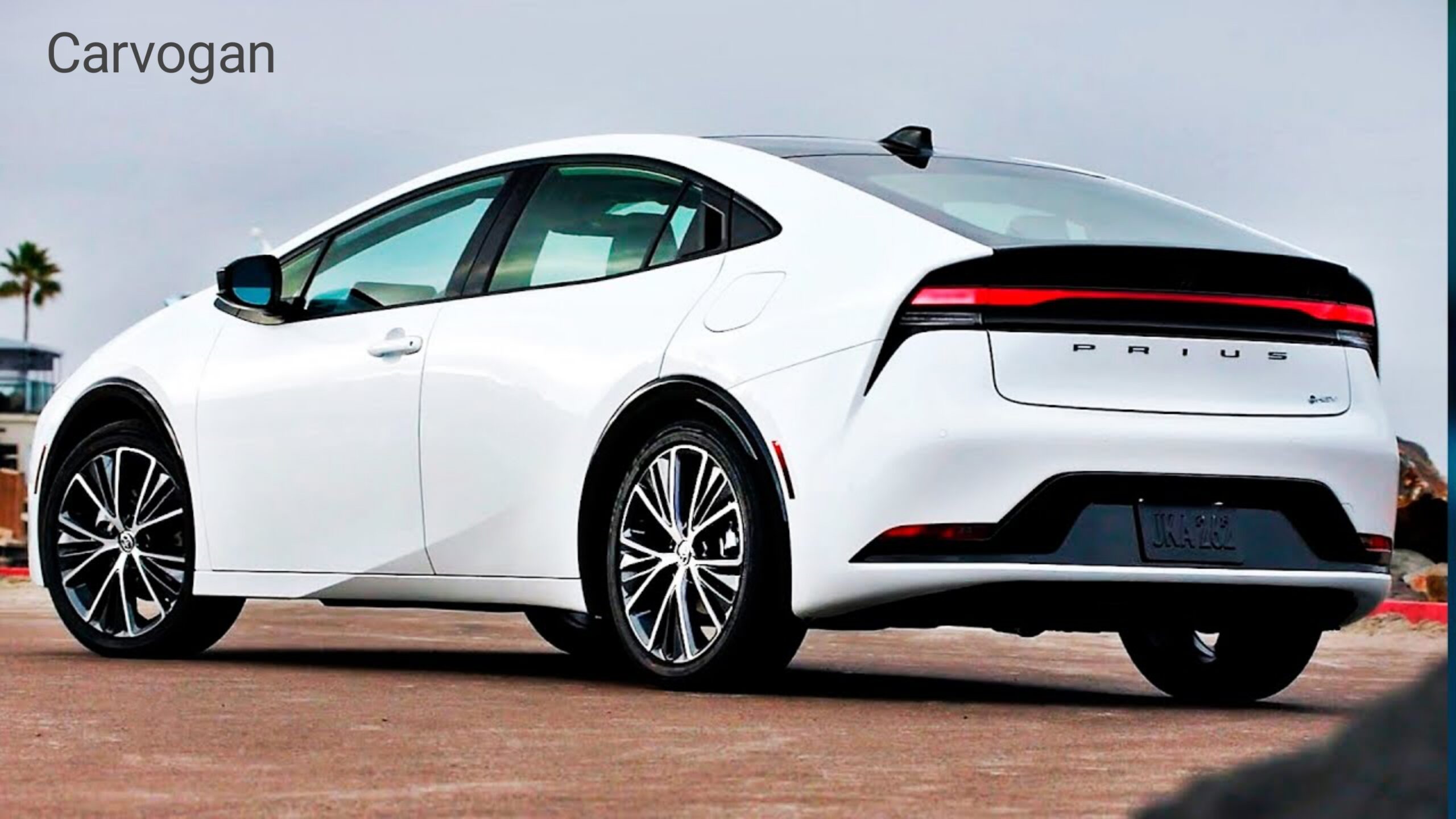
Toyota has given the 2023 Prius a more dynamic and streamlined appearance. The new front grille, sharp LED headlights, and sculpted lines create a modern, futuristic effect. Optional 17-inch alloy wheels add a premium touch, while the available two-tone paint schemes allow for more personalization.
Aerodynamics remain a priority, with the Prius’s shape engineered to minimize drag and maximize efficiency. The car’s low stance and bold color options make it stand out among compact hybrids.
6. Interior Comfort, Space, and Technology
Step inside the Prius, and you’ll find a cabin that is both practical and inviting. The 2023 model offers seating for up to five passengers, with ample legroom and headroom in both rows. High-quality materials, soft-touch surfaces, and available synthetic leather upholstery give the interior a refined feel.
Cargo space is generous for a compact car, with 27.4 cubic feet behind the rear seats and over 50 cubic feet with the seats folded down. The hatchback design makes loading and unloading easy, while thoughtful storage solutions throughout the cabin keep small items organized.
Technology is a highlight, with a standard 7-inch touchscreen (upgradable to 11.6 inches on higher trims), Apple CarPlay, Android Auto, and Amazon Alexa compatibility. Other available tech features include wireless charging, a premium JBL audio system, and navigation.
7. Safety and Driver Assistance Features
Safety is a top priority in the 2023 Prius. Toyota Safety Sense 2.0 is standard on all trims, providing a comprehensive suite of driver-assist features:
Pre-collision system with pedestrian detectionL
ane departure alert with steering assist
Full-speed range dynamic radar cruise control
Automatic high beams
Road sign assist
Additional available safety features include blind spot monitoring, rear cross-traffic alert, parking assist, and a color head-up display. These technologies work together to give drivers greater confidence and peace of mind on the road.
8. Trim Levels, Options, and Pricing
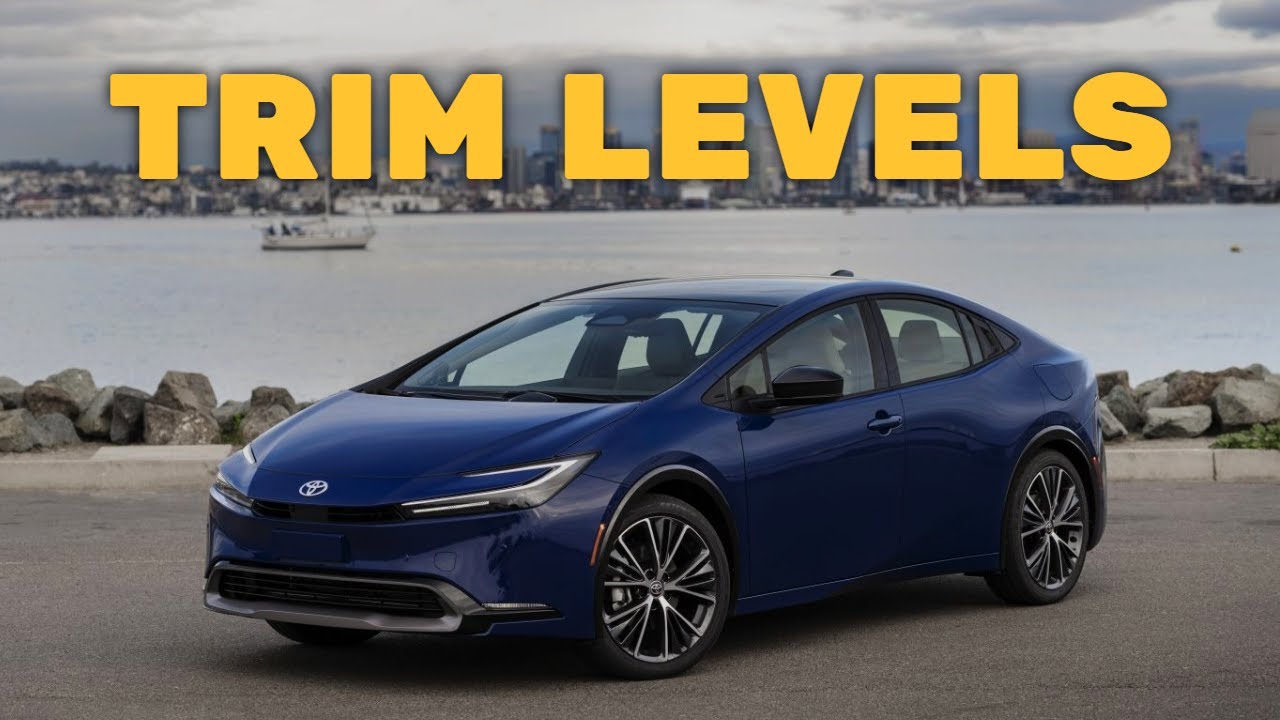
The 2023 Toyota Prius is available in several trim levels:
L Eco: Focused on maximum efficiency, with the highest EPA ratings and essential features.
LE: Adds more comfort and convenience features, including smart key entry and blind spot monitoring.
XLE: Upgrades include heated seats, larger wheels, and more advanced tech options.
Limited: The top-tier trim, with premium audio, navigation, and larger touchscreen.
Pricing starts around $25,000 for the L Eco and ranges up to $32,000 for the Limited. Available packages include the Advanced Technology Package and Premium Convenience Package, allowing buyers to customize their Prius to their needs.
9. Reliability, Maintenance, and Warranty
The Prius has a well-deserved reputation for reliability. Toyota’s hybrid technology is proven, and the 2023 model is expected to deliver trouble-free ownership for years. Maintenance requirements are minimal, with brake pads lasting longer thanks to regenerative braking and fewer oil changes needed than conventional cars.
Toyota covers the Prius with a 3-year/36,000-mile basic warranty and a robust 8-year/100,000-mile warranty on hybrid components. Complimentary maintenance is also included for the first two years or 25,000 miles.
10. Ownership Experience and Resale Value
Prius owners consistently report high levels of satisfaction, thanks to low operating costs, minimal maintenance, and strong resale values. The Prius’s reputation for longevity means used models are in high demand, and depreciation is slower than many other vehicles in its class.
The Prius is also a favorite among rideshare drivers and commuters who rack up high mileage, as its efficiency and reliability translate directly to lower total cost of ownership.
11. How the Prius Compares to Competitors
The hybrid segment is more crowded than ever, with models like the Honda Insight, Hyundai Ioniq, Kia Niro, and Ford Escape Hybrid all vying for attention. Here’s how the Prius stacks up:
Honda Insight: Offers a more traditional sedan look and sportier handling but falls short of the Prius’s fuel economy.
Hyundai Ioniq: Matches the Prius in efficiency, with a lower starting price but less brand recognition and a smaller dealer network.
Kia Niro: Provides a crossover look and more cargo space but is less efficient and may cost more in higher trims.
Ford Escape Hybrid: Delivers SUV versatility and available AWD, but at a higher price point and with lower mpg.
The Prius continues to stand out for its blend of efficiency, reliability, and long-term value.
12. Pros and Cons of the 2023 Prius
Pros
Best-in-class fuel economy
Proven hybrid reliability
Strong resale value
Comprehensive standard safety features
Spacious cargo area for the class
Available all-wheel drive
Low running and maintenance costs
Cons
Modest acceleration and driving excitement
Conservative styling may not appeal to all
Infotainment system, while improved, still lags behind some competitors
No plug-in hybrid option (see Prius Prime for PHEV)
13. Frequently Asked Questions
Q: Is the Prius expensive to insure?
A: Insurance costs for the Prius are generally below average, thanks to its strong safety ratings and low repair costs.
Q: How long does the Prius battery last?
A: Hybrid batteries typically last 8-10 years or more. Toyota’s hybrid warranty covers the battery for 8 years/100,000 miles.
Q: Can I drive the Prius in EV mode only?
A: The Prius can travel short distances at low speeds on battery power alone but is not a full EV. For extended EV driving, consider the Prius Prime plug-in hybrid.
Q: Is the Prius a good car for winter?
A: With available AWD-e and excellent traction control, the Prius performs well in winter conditions.
14. Final Verdict: Who Should Buy the 2023 Prius?
The 2023 Toyota Prius is an ideal vehicle for:
Eco-conscious drivers looking to minimize their carbon footprint
Commuters seeking maximum mpg
Families needing reliable and spacious transportation
First-time hybrid buyers wanting proven technology
Its unmatched fuel efficiency, low ownership costs, and reputation for reliability make the Prius a smart investment for a wide variety of drivers. While it may not excite enthusiasts, it excels where it matters most: saving money and reducing emissions.
