

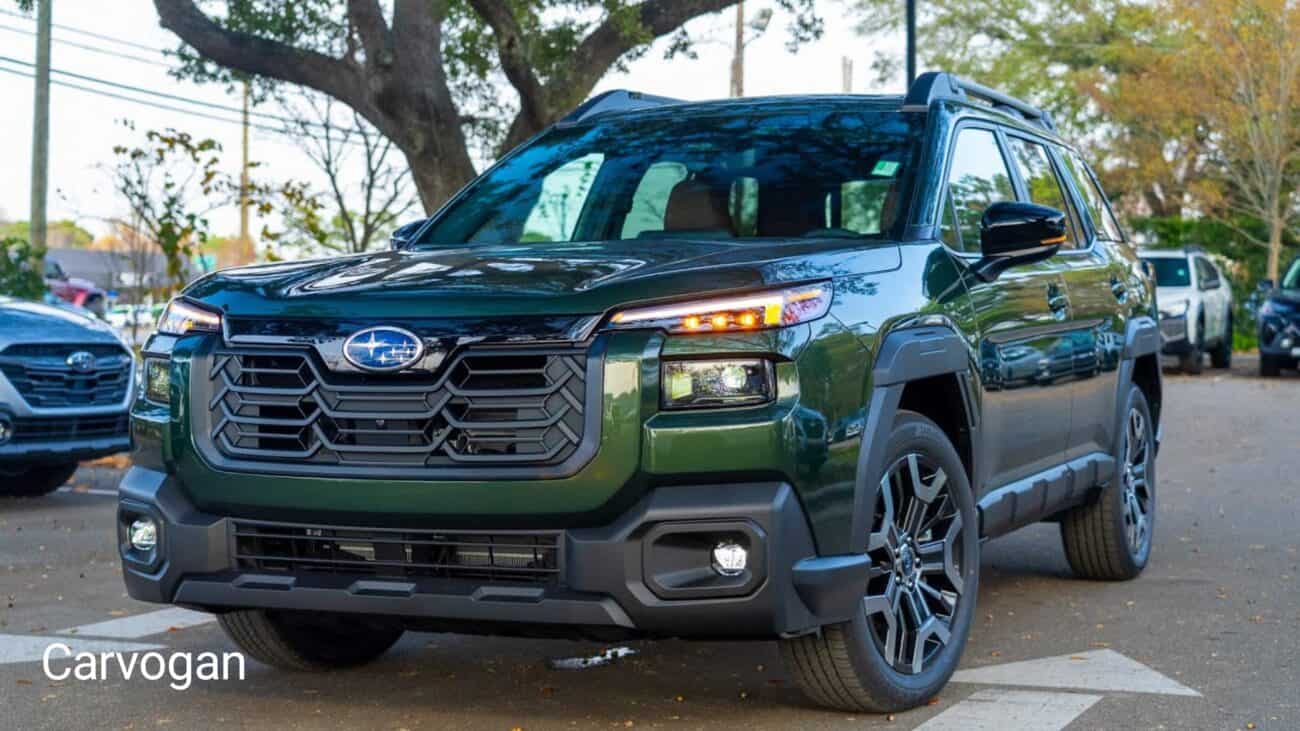
The all-new 2026 Subaru Outback has hit the streets, and the automotive world is buzzing. Subaru has openly touted the rugged new SUV-like design, the lightning-fast Snapdragon-powered 12.1-inch infotainment system, and the enhanced, nearly hands-free EyeSight Driver Assist Technology available on top trims. These are the main attractions, the features you see splashed across every glossy brochure and television commercial.
But what if we told you the most thoughtful, most practical, and most truly Subaru elements of the 2026 redesign are the ones they decided to keep secret?
Subaru has always engineered their vehicles with the kind of meticulous detail that only long-time owners truly appreciate. They build cars for drivers who spend their weekends exploring the backcountry, loading up gear, and living a life of true adventure. This redesign is no different. The best new features are hidden in plain sight, scattered across the interior and exterior, waiting to be discovered by the owner who pays attention.
Forget the headline-grabbing horsepower and tech specs for a moment. This article dives deep to reveal the 10 Hidden Features in the 2026 Subaru Outback that are the real game-changers for daily life, family road trips, and off-road capability. These are the details Subaru chose not to advertise, making them the most valuable secrets for potential buyers.
Table of Contents
- 1. The Revolutionary Multi-Function Cargo Cover
- 2. Built-in Vehicle History Easter Eggs
- 3. The Discreet Cabin Noise Reduction Package
- 4. The Hands-Free Highway Driving Override
- 5. Cargo Dimensions Diagrams for Dog Owners
- 6. Low-Fatigue, Chassis-Mounted Seating
- 7. The Glovebox Cable Organizer Clip
- 8. Enhanced Static Roof Load Capacity for Overlanding
- 9. Rear Liftgate “Kick-Activated” Access
- 10. Configurable Digital Gauge Cluster Views
1. The Revolutionary Multi-Function Cargo Cover
The most surprising and brilliant secret in the 2026 Outback is not a piece of technology, but a simple piece of fabric. The standard retractable cargo cover has been completely redesigned from the ground up, adding three layers of previously unadvertised utility that transform the Outback’s cargo management.
1.1. Secret Function One: The Cargo Hammock
The new cargo cover is made from a durable, machine-washable fabric and features a unique support system. Instead of simply covering the cargo area, it can be slightly unrolled and secured at a midpoint to create a hammock-style netting. This is perfect for securing smaller, delicate items like groceries, a volleyball, or picnic blankets, preventing them from rolling around the main cargo floor during spirited driving or off-road excursions. It’s a simple, elegant solution for organization that utilizes previously unused space.
1.2. Secret Function Two: The Washable Divider
The fabric is not just washable; it is also designed to act as a vertical divider. It can be zipped up to create a secure, partial enclosure, which is invaluable for families with pets. This allows you to create a separate zone for a smaller dog or to keep dirty gear—like muddy boots or wet ski equipment—isolated from clean luggage. The machine-washable nature of the fabric means you can treat the entire thing like a durable, oversized laundry bag after a tough weekend. This attention to detail is a hallmark of Subaru’s commitment to durability and utility, which enhances the overall ownership experience.
2. Built-in Vehicle History Easter Eggs
Subaru’s deep commitment to its heritage is often symbolized through small, subtle design touches, and the 2026 Outback is riddled with them. Unlike other brands that might use a single, easily found graphic, Subaru has included two deeply personal nods to its engineering past that most owners will never notice.
Lift the hood and look closely near the latch area. There are two small, flat plastic panels—one on the driver’s side and one on the passenger’s side—that angle down towards the grille. Embossed into these panels are two distinct messages:
- Passenger Side: The phrase “Since 1966” in English, commemorating the start of Subaru’s iconic horizontally opposed Boxer engine lineup.
- Driver Side: The same historical note written in Subaru’s native language, Japanese.
These tiny emblems celebrate the 60th anniversary (as of 2026) of the Boxer engine, a feature that remains the foundational DNA of the Outback. It’s a secret handshake between the engineers and the long-time owner.
3. The Discreet Cabin Noise Reduction Package
Subaru models have historically been criticized for cabin noise, especially compared to some luxury rivals. For 2026, Subaru addressed this with an unadvertised structural and material upgrade that dramatically improves the driving experience.
The engineers integrated sound-absorbing panels into both the roof structure and the headliner. While this sounds minor, in combination with thicker glass, it significantly reduces high-frequency road and wind noise. The result is a surprisingly quiet cabin—a major, non-advertised quality of life improvement that makes long-distance highway cruising in the 2026 Outback significantly more comfortable than in previous generations. This focus on interior tranquility is a premium feature not typically highlighted on a rugged crossover. This refinement makes the Outback a more serious competitor in the midsize SUV safety and comfort class.
4. The Hands-Free Highway Driving Override
The top-tier Touring and Touring XT trims feature an available Enhanced EyeSight system with Highway Hands-Free Assist. This hands-free capability is heavily advertised, but what is not advertised is the subtle, thoughtful way the system handles driver re-engagement and fatigue.
The unadvertised feature is the Emergency Stop Assist with Safe Lane Selection. If the system detects the driver has become unresponsive or overly distracted (through the updated DriverFocus system) while Hands-Free Assist is active, it doesn’t just issue a warning. It will use the vehicle’s sensors to autonomously select the safest available lane to stop in—the shoulder, for example—before bringing the vehicle to a complete, safe halt. This goes far beyond standard automatic emergency braking, offering a level of automated safety intervention that provides unparalleled peace of mind for the daily commuter.
5. Cargo Dimensions Diagrams for Dog Owners
The 2026 Outback has adopted a boxier, more upright rear end, increasing its usable cargo space. To illustrate this capacity, Subaru included two quirky, secret diagrams near the tailgate.
On the plastic housing next to the rear taillights, Subaru has embossed diagrams that lay out the exact cargo dimensions in inches. These illustrations also include small, friendly dog silhouettes for scale:
- One side shows the height and width of the opening, with a dog standing comfortably.
- The other side shows the depth with the seats up (one dog) and the impressive depth with the rear seats folded flat (two dogs able to stand nose-to-nose).
This is a fun, practical, and endearing secret feature that speaks directly to the large population of Subaru drivers who travel with their four-legged companions. It eliminates the guesswork when buying a kennel or planning a big haul for a weekend adventure with your dog.
6. Low-Fatigue, Chassis-Mounted Seating
Subaru has always focused on occupant safety, but for the 2026 model, they focused on comfort. The new “low-fatigue” front seats are a welcome upgrade, but their secret lies in their attachment.
The seats are mounted directly to the chassis, bypassing the floorpan in a more rigid fashion than traditional designs. This structural change significantly reduces the minor vibrations and high-frequency movement that contribute to driver fatigue over long distances. The resulting reduction in head and body movement means you arrive at your destination feeling notably fresher. This unadvertised engineering detail is one of the most impactful improvements for the long-distance *Subaru Outback* enthusiast.
7. The Glovebox Cable Organizer Clip

In an age of USB-C and USB-A ports, a messy dash is a common problem, especially with a central touchscreen that requires a tethered connection for charging or data. Subaru introduced a remarkably simple, yet genius solution: the Glovebox Cable Organizer Clip.
Discreetly located right next to the glove compartment on the passenger side is a small, integrated plastic clip designed specifically to hold and manage a charging cable. It keeps the cable routed neatly away from the floor and the center console, preventing it from getting tangled, snagged by feet, or falling into the seat track. It’s an example of user-focused design that tackles a minor, everyday frustration without needing a line item in a features list.
8. Enhanced Static Roof Load Capacity for Overlanding
The Outback’s ladder-style roof rails are iconic and openly advertised, but the new, unadvertised specification dramatically changes the vehicle’s capability for serious off-road and overlanding use.
The maximum static load rating for the roof rails has been secretly boosted to an incredible 800 pounds.
| Load Type | 2025 Outback (Approx) | 2026 Outback (New) | Key Advantage |
|---|---|---|---|
| Dynamic Load | 100-150 lbs | 100 lbs | Load while driving |
| Static Load | 700 lbs | 800 lbs | Load when parked |
| Hammock Load | Not Rated | 220 lbs | Weight for horizontal anchoring |
*The static load is the weight the roof can support when the vehicle is parked.* The 800-pound capacity means the 2026 Outback can safely support virtually any two-person rooftop tent (RTT) on the market, plus two adult occupants inside the tent. Furthermore, Subaru has also rated a new 220-pound static horizontal load rating—the perfect capacity for anchoring a hammock directly to the roof rails for an afternoon nap at the campsite. This feature makes it an ideal platform for beginner and experienced overlanding.
9. Rear Liftgate “Kick-Activated” Access
While a power rear gate is a standard feature, the hands-free access mechanism on the 2026 Outback is an unadvertised convenience often relegated to luxury SUVs. On certain trims, the rear gate can be opened with a simple kick motion underneath the bumper, similar to the system found on the popular Forester model.
This is a massive advantage when your hands are full of bags, kids, or camping equipment. Unlike some competitor systems that require you to have the key fob physically pressed against your body, the Subaru system is remarkably responsive and reliable, quickly granting access to the expanded cargo area without having to fumble for a key.
10. Configurable Digital Gauge Cluster Views
The 12.3-inch fully digital gauge cluster is a major, advertised update. However, the flexibility and degree of personalization available are largely unadvertised, making it a powerful secret feature for the driving enthusiast.
The cluster allows drivers to select between three distinct, dramatically different presentation modes:
- Analog-Style: Traditional, round dials for a classic, familiar look.
- Minimalist: A clean, simplified view that shows only speed and essential safety warnings.
- Navigation-Focused: A view that minimizes gauges and dedicates the majority of the screen space to a detailed map and turn-by-turn directions, directly from the integrated STARLINK navigation system.
This unadvertised configurability allows the driver to prioritize the information they deem most crucial, reducing digital clutter and enhancing safety. It truly adapts the cockpit to the driver’s current mission, whether it’s a focused long-haul or a simple neighborhood drive.
Frequently Asked Questions About the 2026 Subaru Outback
Q: Is the 2026 Subaru Outback a wagon or an SUV?
A: Subaru has intentionally shifted the 2026 Outback towards a more pronounced SUV design. It features a boxier, more upright rear end and a slightly taller roofline compared to previous generations. While it maintains the Outback’s traditional low stance, the increased interior volume and rugged styling cues firmly push it away from its classic wagon roots and into the crossover SUV category.
Q: Does the 2026 Outback have physical buttons for climate control?
A: Yes, in a welcome move that addresses owner feedback, Subaru has re-introduced dedicated physical buttons and dials for core climate control functions. While the primary system is still housed within the new 12.1-inch touchscreen, critical controls like temperature, fan speed, and defrost are now accessible via separate buttons, improving ease of use while wearing gloves or driving.
Q: Is the EyeSight system really hands-free?
A: The top-trim versions (Touring and Touring XT) of the 2026 Outback feature an enhanced EyeSight system with Highway Hands-Free Assist. This system allows for limited hands-free operation on approved, divided highways under specific conditions, generally up to 85 mph. However, the DriverFocus system monitors the driver’s gaze, and the driver must be ready to take over immediately. It is an advanced Level 2 semi-autonomous system, not a fully autonomous one.
Final Thoughts: The True Value of the Subaru Outback
The 2026 Subaru Outback is a masterclass in quiet, thoughtful engineering. The advertised features—the bigger screens, the faster processor, the bold new look—will get people through the showroom doors.
But it is the ten hidden features we’ve revealed here that showcase the true Subaru Outback DNA. From the machine-washable cargo cover that converts into a hammock, to the 800-pound static roof capacity for overlanders, and the subtle noise-reduction techniques, these are the details that improve daily life and enhance the spirit of adventure. They are the secrets that make this new generation the most practical, family-friendly, and capable Outback ever buiClip
