

Table of Contents
- Introduction
- Overview of the 2025 Hyundai Tucson
- Comfort Features
- Safety Ratings and Features
- Reliability and Maintenance
- Performance and Driving Experience
- Technology and Infotainment
- Comparison to Competitors
- Frequently Asked Questions
- Final Verdict: Is the 2025 Hyundai Tucson Worth Buying?
For more details on Tucson trims and features, you can visit the official Hyundai website.
Introduction
The 2025 Hyundai Tucson remains at the forefront of the compact SUV market, boasting a blend of style, technology, and practicality. With each new model year, Hyundai aims to deliver incremental improvements in comfort, safety, and reliability. But is the 2025 Tucson truly worth buying compared to its rivals? In this comprehensive review, we’ll analyze every aspect of the vehicle—comfort, safety, reliability, and more — to help you make an informed decision.
Overview of the 2025 Hyundai Tucson
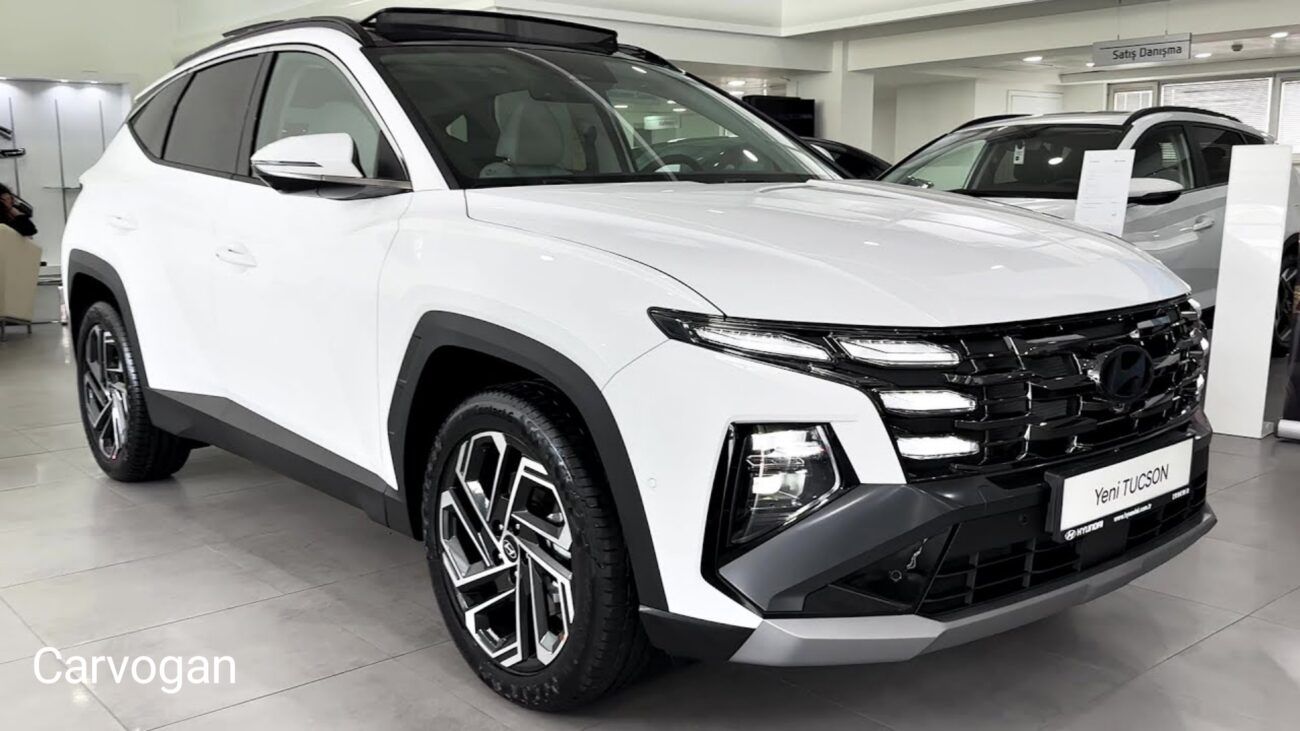
The Hyundai Tucson has long been a key player in the compact SUV segment. The 2025 model continues this legacy, offering a bold exterior design, a feature-rich interior, and a choice of powertrains, including hybrid and plug-in hybrid options. Hyundai’s focus on value, safety, and cutting-edge technology makes the Tucson a compelling choice for families and individuals alike.
Key Highlights
- Available in gasoline, hybrid, and plug-in hybrid variants
- Spacious and tech-rich cabin
- Advanced safety features standard across most trims
- Competitive pricing and warranty
Comfort Features
Interior Design
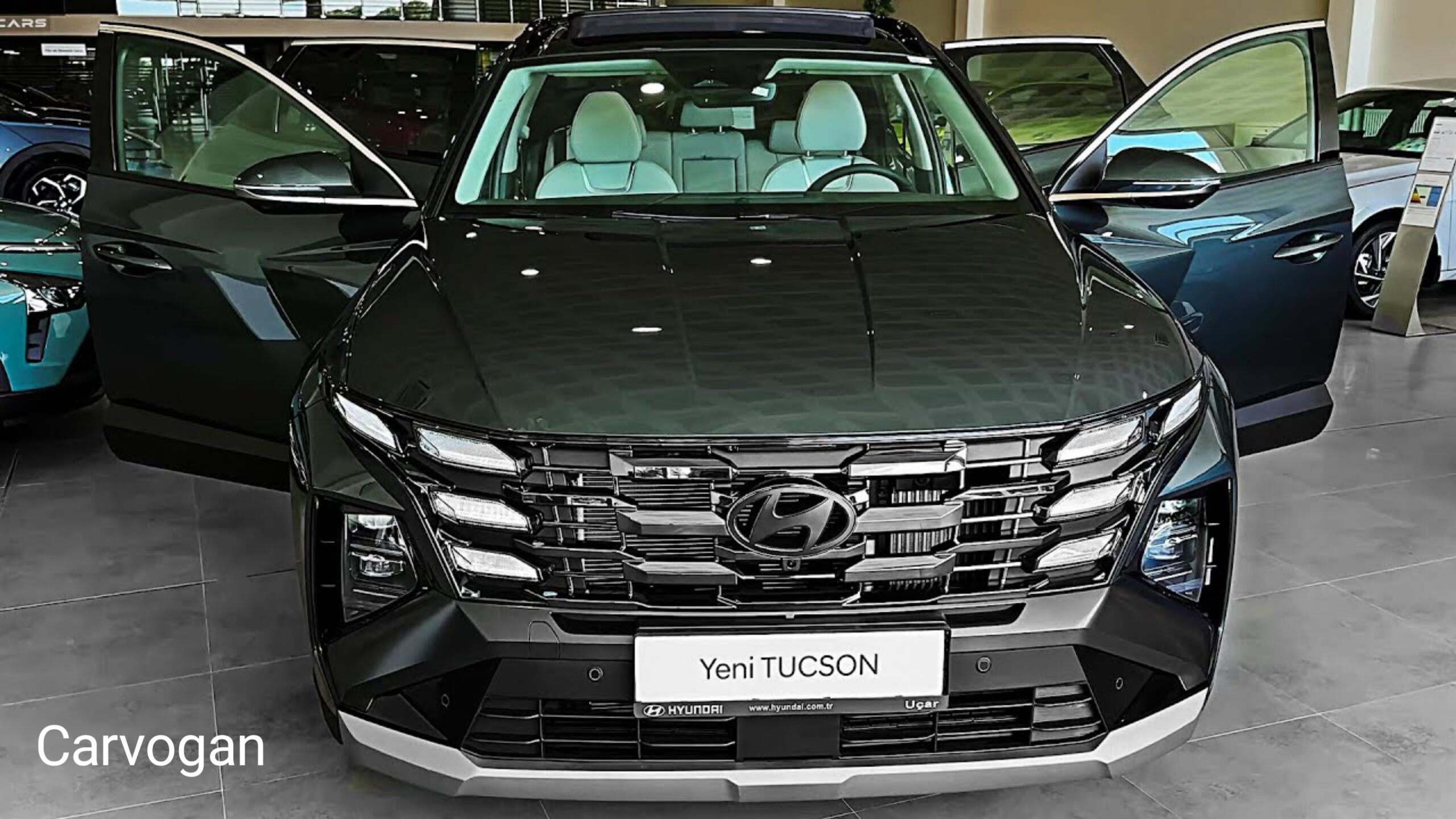
The 2025 Tucson’s interior reflects Hyundai’s commitment to modern design and ergonomics. Soft-touch materials, a clean dashboard layout, and customizable ambient lighting create a premium feel. The cabin’s open layout maximizes both functionality and aesthetics, making it feel more spacious than many rivals.
Material Quality
Hyundai has upped the ante with soft surfaces, high-quality plastics, and available leather upholstery. The dashboard design is minimalist but functional, with intuitive controls and ample storage spaces.
Seating Comfort
The Tucson seats up to five passengers, with generous legroom and headroom in both rows. The front seats are supportive and available with heating, ventilation, and power adjustments. Rear seats recline for added comfort, and the flat floor design ensures plenty of foot space for rear passengers.
Cargo Space
One of Tucson’s standout features is its cargo capacity. With the rear seats up, you get approximately 38.7 cubic feet of space, expanding to over 74 cubic feet when folded down. The wide opening and low load floor make loading bulky items easy.
Climate Control & Noise Isolation
Dual-zone automatic climate control is available, ensuring comfort for both driver and passengers. The Tucson is engineered for quietness, with sound-deadening materials and acoustic glass that minimize road and wind noise, even at highway speeds.
Safety Ratings and Features
Standard Safety Features
Hyundai equips the 2025 Tucson with an impressive suite of safety features even in base trims. Standard equipment includes:
- Forward Collision-Avoidance Assist
- Lane Keeping Assist
- Driver Attention Warning
- Rear Occupant Alert
- Blind-Spot Collision-Avoidance Assist (on higher trims)
Advanced Driver Assistance Systems
Upper trims offer Hyundai SmartSense™, which adds adaptive cruise control, highway driving assist, and parking collision avoidance. These features support safer driving in various conditions and reduce driver fatigue on long journeys.
Crash Test Ratings
While official 2025 test results may be pending, the previous year’s model earned top scores from both the NHTSA and IIHS, and the 2025 Tucson is expected to maintain these ratings due to its unchanged safety structure and systems. For the latest safety ratings, check directly with the IIHS or NHTSA websites.
Reliability and Maintenance
Warranty Coverage
Hyundai’s class-leading warranty gives buyers peace of mind:
- 5-year/60,000-mile new vehicle warranty
- 10-year/100,000-mile powertrain warranty
- 7-year/unlimited mileage anti-perforation warranty
Expected Longevity
Hyundai vehicles, especially the Tucson, have earned a reputation for reliability. With regular maintenance, owners can expect the Tucson to last well beyond 150,000 miles. The hybrid and plug-in hybrid variants also come with additional battery warranties.
Maintenance Costs
The Tucson’s maintenance costs are generally below average for the segment. Routine service intervals are well-spaced, and Hyundai’s extensive dealer network makes service accessible. For hybrid models, battery replacement costs are mitigated by the long warranty coverage.
Performance and Driving Experience
Engine Options
The 2025 Tucson offers several powertrain choices:
- 2.5L inline-4 gasoline engine (approx. 187 hp)
- 1.6L turbocharged hybrid engine (approx. 226 hp combined)
- 1.6L turbocharged plug-in hybrid (261 hp combined)
Each engine is paired with a smooth-shifting automatic transmission, and all-wheel drive is available on most trims.
Fuel Economy
Fuel economy is a strong suit for the Tucson. Gasoline models average around 26 mpg city/33 mpg highway, while hybrids can reach up to 38 mpg combined. The plug-in hybrid variant offers over 30 miles of all-electric range, making it ideal for short commutes and city driving.
Handling and Ride Quality
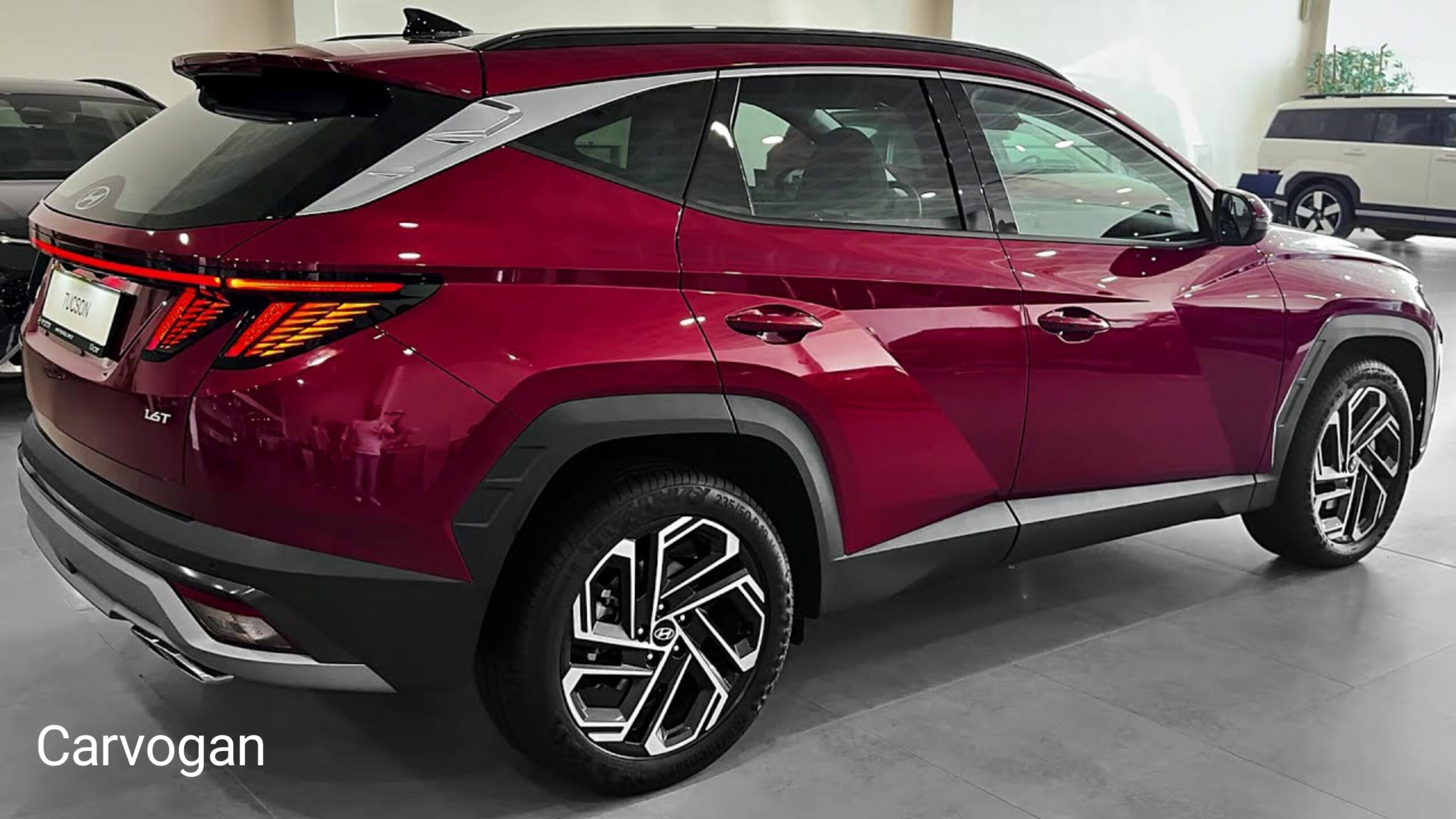
The Tucson delivers a balanced, composed ride. The suspension soaks up bumps effectively, while steering is precise without being overly sporty. It’s an easy SUV to drive in urban settings and on the open road, and the available all-wheel drive adds confidence in poor weather conditions.
Technology and Infotainment
Connectivity
A standard 8-inch touchscreen comes with wireless Apple CarPlay and Android Auto. Higher trims offer a 10.25-inch touchscreen, a premium Bose audio system, wireless charging, and additional USB ports.
User Interface
Hyundai’s infotainment system is responsive and user-friendly, with crisp graphics and logical menu structures. Physical controls for climate and volume ensure ease of use while driving.
Comparison to Competitors
The 2025 Tucson’s main rivals include the Honda CR-V, Toyota RAV4, Mazda CX-5, and Ford Escape. Compared to these, the Tucson stands out for its longer warranty, higher standard safety features, and competitive pricing. While the CR-V and RAV4 offer slightly more cargo space, the Tucson excels in technology and comfort. The Mazda CX-5 may offer a sportier drive, but the Tucson is more spacious and practical for families.
Frequently Asked Questions
Is the 2025 Hyundai Tucson a good family car?
Yes, the Tucson offers ample space, top safety features, and a comfortable ride, making it ideal for families.
How reliable is the 2025 Tucson?
The Tucson is considered highly reliable, with a strong warranty and positive owner feedback.
What is the fuel economy of the 2025 Tucson?
Gas models average 26/33 mpg (city/highway), hybrids up to 38 mpg combined, and plug-in hybrids offer over 30 miles of electric range.
Does the Tucson have good resale value?
Hyundai’s improving brand reputation and long warranties have boosted Tucson’s resale value, making it a solid investment.
What are the best alternatives to the Tucson?
Honda CR-V, Toyota RAV4, Mazda CX-5, and Ford Escape are key competitors worth considering.
Final Verdict
The 2025 Hyundai Tucson is a well-rounded compact SUV, offering exceptional comfort, advanced safety features, and proven reliability. Its spacious, tech-savvy interior, coupled with competitive pricing and a stellar warranty, make it a top contender in its class. Whether you prioritize family-friendliness, fuel efficiency, or peace of mind through long-term reliability, the Tucson is a compelling choice. For buyers in search of a practical yet stylish compact SUV, the 2025 Hyundai Tucson is certainly worth considering.
